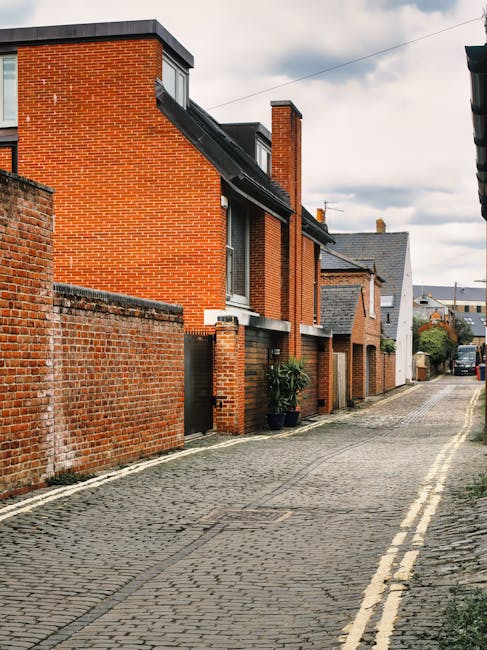
Moving house is stressful enough when everything is easy. Add a tight hallway, a steep path, awkward parking, or a staircase that seems designed by someone who hated furniture, and the whole day can start to wobble. That is exactly why Narrow access home removals in Coulsdon common problems deserve proper planning. In and around Coulsdon, you will find a mix of period homes, compact terraces, basement rooms, maisonettes, and properties where the front door is technically "accessible" only if you are carrying a coat, not a sofa.
This guide breaks down the most common issues, what they mean in practice, and how to avoid the usual headaches. It also explains the best ways to prepare, what a good removals team looks for, and where small decisions can save a lot of time. To be fair, narrow access moves are not mysterious. They just reward good judgement, clear communication, and a bit of realism.
Table of Contents
- Why Narrow access home removals in Coulsdon common problems Matters
- How Narrow access home removals in Coulsdon common problems Works
- Key Benefits and Practical Advantages
- Who This Is For and When It Makes Sense
- Step-by-Step Guidance
- Expert Tips for Better Results
- Common Mistakes to Avoid
- Tools, Resources and Recommendations
- Law, Compliance, Standards, or Best Practice
- Options, Methods, or Comparison Table
- Case Study or Real-World Example
- Practical Checklist
- Conclusion
- Frequently Asked Questions
Why Narrow access home removals in Coulsdon common problems Matters
Narrow access changes the whole shape of a move. A job that looks straightforward on paper can quickly become awkward if the van cannot park close enough, the hallway is too slim for large items, or the route from the property to the vehicle includes steps, bends, low ceilings, or shared entrances. In Coulsdon, that matters because local housing is varied. You might be moving from a top-floor flat one week and a family house with a narrow driveway the next.
The real issue is not just inconvenience. Tight access can increase the risk of damage to furniture, walls, bannisters, flooring, and the property itself. It can also stretch the time needed to complete the move. The heavier or more delicate the items, the more these access problems matter. A wardrobe that glides out of one property may need dismantling in another. A piano, for instance, is never "just a bit awkward". It is a full planning exercise.
Another reason this topic matters is stress. When access is poor, people often panic on moving day. They start guessing, rushing, or apologising for things that could have been handled earlier. A few honest measurements and a realistic plan usually prevent that. That is the difference between a move that feels controlled and one that feels like a scramble.
Expert summary: Narrow access removals are usually won or lost before moving day. Accurate access details, the right vehicle size, good packing, and a sensible loading plan matter more than speed on the day itself.
If you are comparing providers, it is worth looking at removal services that understand more than just lifting boxes. A team that knows how access affects the whole move will ask better questions from the start. That saves time later. Usually a lot of time.
How Narrow access home removals in Coulsdon common problems Works
A narrow access move begins with assessment. That assessment may be done from photos, a site visit, a video walkthrough, or a detailed conversation about the building, parking, furniture sizes, and any obstacles. The point is simple: the removals team needs to understand the route, not just the destination.
Once the access is clear, the team plans the vehicle, crew size, and loading method. In some cases, a smaller vehicle such as a removal van or a man and van setup is more practical than a larger lorry. That does not mean the job is smaller in importance. It just means the method should suit the property.
The loading sequence matters too. Big items are often taken apart first, wrapped carefully, and carried out in a planned order so nothing gets trapped in the hallway. If the stairwell is tight, movers may protect corners and railings before anything starts moving. If parking is limited, they may need to position the vehicle carefully or work from a slightly longer carry distance. Simple in theory. Fiddly in reality.
Communication also plays a big role. A good move depends on the person booking the job giving the right details, and the movers asking follow-up questions instead of assuming. That includes checking lift access, parking restrictions, building rules, and whether the property has an especially awkward final turn near the door. A tiny detail can make a huge difference, honestly.
Key Benefits and Practical Advantages
When narrow access is handled well, the move usually feels calmer, quicker, and safer. That is the big picture. But there are smaller advantages too.
- Less damage risk: careful planning reduces scrapes to furniture and marks on walls or flooring.
- Better time control: the crew knows where bottlenecks are likely to happen before they arrive.
- More suitable vehicle choice: the move can be matched to the access rather than forced into a one-size-fits-all approach.
- Reduced stress on moving day: fewer surprises usually means fewer awkward pauses at the front door.
- Improved safety: tighter routes often mean more lifting control, better spacing, and fewer rushed movements.
There is also a practical money angle. While narrow access can add cost in some cases, careful planning often prevents more expensive issues such as missed access, damage claims, or extra trips. If you want a clearer picture before booking, a page like pricing and quotes can help set expectations early. No one enjoys surprise costs, let's face it.
For some households, the biggest benefit is simply preserving their sanity. A move with narrow access can feel relentless if every step is improvised. But when the access plan is sorted, the whole thing becomes much more manageable. Not easy, exactly. Manageable.
Who This Is For and When It Makes Sense
This kind of planning makes sense for anyone moving from a property where access is tighter than average. That includes:
- people moving from upper-floor flats with narrow staircases;
- tenants in converted houses with tight hallways or split-level layouts;
- homeowners with steep front paths, narrow gates, or limited roadside parking;
- families with large furniture, wardrobes, corner sofas, or bulky beds;
- anyone moving fragile or high-value items that need careful carrying;
- people who need a fast turnaround and cannot afford delays on the day.
It is also useful when you are comparing whether to book a full home move or a smaller transport option. For a compact move, home moves may be the right fit. For a flat with difficult stairs or shared entrance space, flat removals can be more appropriate. And if the move involves family-sized furniture and a lot of coordination, house removals may suit the job better.
Sometimes the issue is not the whole property. It is one specific item. A piano in a narrow terrace. A large wardrobe on a landing with a turn that looks harmless until you try to carry it through. That is where specialist piano removals or careful dismantling can save the day.
Step-by-Step Guidance
If you are preparing for a narrow access move, a simple process usually works best. Here is a practical way to approach it.
- Measure the route. Check hallway widths, stair widths, doorway openings, ceiling height at pinch points, and the turning space near corners.
- Photograph the access. Take clear pictures of the front path, parking area, stairs, hallway, doors, and any obstacles. A few photos can explain a lot.
- Identify bulky items early. Sofas, beds, mirrors, appliances, wardrobes, and dining tables often create the biggest problems.
- Decide what should be dismantled. Some furniture should come apart before the move. If you wait until moving day to decide, things get slower.
- Check parking and arrival space. Ask whether the vehicle can stop close to the entrance or whether there will be a longer carry from the road.
- Choose packaging that protects surfaces. Use blankets, wraps, and strong boxes so items are easier to handle through tight spaces.
- Tell the removals team about anything unusual. Low arches, tight gates, basement access, communal stairs, or awkward neighbours' parking all matter.
- Leave a little breathing room on the day. Narrow access moves rarely reward a packed schedule. A small buffer helps more than people expect.
One thing I always advise people: walk the route as if you were carrying the widest item you own. Not the "best case" version of the route, the actual one. You will notice problem spots almost immediately. That tiny practice run can be a lifesaver.
Expert Tips for Better Results
Most narrow access problems are not solved by brute force. They are solved by planning, patience, and making the right small choices before anyone starts lifting.
- Use a measured approach, not guesswork. "It should fit" is not a plan.
- Pack by shape as well as by room. Long items, heavy items, and fragile items need different handling.
- Keep pathways clear early. Shoes, bins, plant pots, and random storage items always seem to appear exactly where they should not.
- Protect corners and contact points. Hall corners, bannisters, and door frames are the first things to take a knock.
- Choose the right vehicle size. A smaller vehicle can sometimes be faster if the property access is tight.
- Book packing support if you are short on time. Services such as packing and boxes or packing and unpacking services can reduce last-minute chaos.
Another useful habit is to separate "must-move" items from "would be nice to move" items. Narrow access moves are easier when you are not dragging half the loft with you. It sounds obvious, but you would be surprised how often people only decide what matters after the van arrives.
If the move is complicated enough that you need temporary holding space, storage can be a smart pressure release. Sometimes that is the difference between a stressed one-day move and a sensible staged move.
Common Mistakes to Avoid
Let's be honest, most of the trouble with narrow access removals comes from avoidable mistakes. The move itself may be difficult, but the mistakes are usually simple.
- Not measuring properly: assuming a sofa will fit through a doorway because "it did once" is risky.
- Forgetting parking restrictions: a perfect route means very little if the van cannot stop nearby.
- Leaving dismantling too late: using the morning of the move to take apart furniture is a recipe for delay.
- Overfilling boxes: heavy boxes are harder to carry in narrow spaces and more likely to drop.
- Not mentioning awkward access details: one hidden step, stair turn, or narrow gate can derail the plan.
- Choosing the wrong scale of service: a small move with tricky access may need different support from a standard loading job.
A subtle mistake is optimism. Healthy optimism is fine. But if the hallway looks "a bit tight" and the wardrobe looks "a bit wide", treat that as a warning, not a challenge. Movers deal with reality, not hopeful geometry.
Also, do not assume every removals company will automatically spot the access issue for you. Some will ask the right questions. Some won't. If a provider sounds vague, that is usually your cue to get more specific.
Tools, Resources and Recommendations
You do not need specialist equipment for every move, but a few practical tools make a genuine difference.
- Measuring tape: for doors, stairs, furniture widths, and tight corners.
- Mobile phone camera: for photos and short walkthrough videos.
- Furniture blankets and wrap: to protect surfaces in tight hallways.
- Marker pens and labels: to keep boxes organised when things are moving quickly.
- Allen keys and small tool kit: helpful for dismantling beds, tables, and shelving.
- Strong tape and gloves: small items, but very useful. Always.
In terms of choosing help, it is sensible to use a company that understands moving logistics, not just lifting. If you are comparing providers, removal companies and removal services are worth reviewing carefully for access know-how, packing support, and flexibility. If the move is straightforward except for one or two bulky items, a man with a van or man with van arrangement may be enough. If the access is tight and the load is substantial, a larger planned move may be safer.
And yes, it is sensible to ask how the team handles awkward furniture, fragile items, and parking limitations. If they answer clearly, good sign. If they answer with a shrug through the phone line, maybe think twice.
Law, Compliance, Standards, or Best Practice
Narrow access removals are not usually about a special law as such, but they do touch on a few important UK best-practice areas. Safety comes first. That means avoiding unsafe lifting, not blocking emergency routes, and making sure the crew can work without unnecessary risk.
Good operators should also be clear about insurance, handling damage, and who is responsible for what during the move. If you are hiring a company, it is reasonable to ask about insurance and safety before booking. That kind of question is not awkward. It is sensible.
For customers, the practical side is to be accurate and honest about access conditions. If there is restricted parking, shared stair access, low headroom, or a very narrow turn, say so early. In moving work, good information is part of safe practice. It helps the team choose the right method and avoid rushed decisions on the day.
It can also help to review the company's health and safety policy and terms and conditions so you know what to expect around liability, handling, and service scope. That is not about being difficult. It is about avoiding crossed wires.
Options, Methods, or Comparison Table
Different access problems call for different move styles. The best option depends on the property, the amount of furniture, and how difficult the route actually is.
| Move option | Best for | Typical advantage | Main limitation |
|---|---|---|---|
| Man and van | Smaller loads, short moves, compact homes | Flexible and often easier in tight streets | May need more trips for larger loads |
| Removal van | Moderate loads and mixed access conditions | Good balance of size and manoeuvrability | Not always ideal for very large house moves |
| Full removals | Family homes, bigger furniture, more complex planning | More support for packing, lifting, and logistics | Needs tighter booking details and access planning |
| Storage-assisted move | Staged moves, delays, or reduced space on move day | Helps if the home is not ready all at once | Adds an extra step to the process |
If you are not sure which approach fits your situation, the simplest test is this: how much of the move depends on a tight hallway, stair turn, or limited parking? If the answer is "quite a lot", then a more planned service is usually better than the cheapest or quickest option. Sensible beats speedy most days.
Case Study or Real-World Example
Picture a typical Coulsdon move: a two-bedroom flat in a converted house, with a narrow staircase, a landing that turns sharply to the right, and parking only a short distance away but not directly outside. On paper, it sounds manageable. In practice, the wardrobe in the main bedroom barely clears the stair post, and the sofa has to be angled carefully to avoid scraping the wall.
In a job like that, the team would usually start by assessing the biggest items first. The wardrobe might be dismantled. The sofa could be wrapped and measured against the stair width before lifting begins. Boxes would be stacked so the easiest items go first, leaving the bulky pieces for a cleaner path later. If parking is limited, the van might be loaded in a specific order so the most urgent items are nearest the rear doors. Nothing glamorous. Just smart sequencing.
What usually changes the outcome is not heroic lifting. It is the small stuff: the pre-move photos, the honest description of the stairwell, the right vehicle, and the decision to leave a narrow corridor free of loose items. That kind of preparation keeps the move moving. Which, really, is what everyone wants.
Practical Checklist
Use this checklist before a narrow access move in Coulsdon:
- Measure doorways, hallways, stairs, and any tight turns.
- Take photos of the access route from entrance to room.
- Check parking, loading space, and any local restrictions.
- List all bulky, fragile, or awkwardly shaped furniture.
- Decide what must be dismantled before moving day.
- Label boxes clearly by room and priority.
- Keep the entrance, hallway, and landing clear.
- Confirm whether a smaller vehicle would be easier to position.
- Ask about insurance, safety, and handling procedures.
- Leave spare time in case access takes longer than expected.
Quick takeaway: if you can describe the access route clearly, the move becomes much easier to plan. If you cannot, the removals team is basically being asked to guess. And guessing is rarely a good move.
Get a free quote today and see how much you can save.
If you are still weighing up your options, it may help to learn more about the company behind the move by visiting the about us page. For a broader look at how the service is structured, the main homepage is a useful starting point.
Conclusion
Narrow access home removals in Coulsdon are not just about squeezing furniture through a tight space. They are about planning a safe route, choosing the right method, and avoiding the little problems that become big problems under pressure. Once you understand the likely pinch points, the move becomes much more predictable.
The best outcomes usually come from honest measurements, clear communication, and a removals team that knows how to work around real-world constraints. That might mean a smaller vehicle, extra packing support, dismantling a few items, or even using storage for a while. None of that is a failure. It is just smart moving.
In the end, the goal is simple: get everything out safely, get everything in safely, and keep the day as calm as it can be. Not perfect. Just calm enough.
Frequently Asked Questions
What counts as narrow access in a home move?
Narrow access usually means the route in or out of the property has limited space for carrying furniture or boxes. That might include slim hallways, tight staircases, steep paths, awkward corners, or limited parking near the front door.
Why is narrow access more difficult for removals?
Because larger items need more room to turn, lift, and carry safely. When space is limited, movers may need to dismantle furniture, use protective wrapping, or plan the loading order more carefully.
Should I tell the removals company about access problems before booking?
Yes, absolutely. The earlier you explain the access route, the easier it is to choose the right vehicle, crew size, and moving method. Surprises on moving day are nobody's favourite thing.
Do I need a smaller vehicle for a narrow street or tight driveway?
Sometimes, yes. A smaller vehicle can be easier to position close to the property and may reduce carrying distance. The best choice depends on both access and how much you are moving.
Can furniture be dismantled before a narrow access move?
Often it can, and in some cases it should be. Beds, wardrobes, tables, and shelving are common candidates for dismantling when tight hallways or stairs make carrying them in one piece difficult.
How do I prepare for a move from a flat with narrow stairs?
Measure the stair width, clear the route, photograph any tight points, and let the removals team know about corners, bannisters, or shared entrances. If needed, ask about flat-specific moving support.
Is narrow access more expensive?
It can be, depending on the difficulty of the move, the time required, and whether extra equipment or labour is needed. That said, good planning often prevents avoidable extra cost.
What items are most likely to cause problems?
Large sofas, wardrobes, mattresses, beds, mirrors, pianos, and wide appliances are the usual troublemakers. Honestly, it is often the one item everyone thought would be easy that causes the most grief.
What if my property has restricted parking?
Tell the removals team in advance. Restricted parking can affect vehicle choice, loading time, and how far items need to be carried. It is much better to plan around it than discover it on the day.
Do narrow access moves need special insurance?
You should always check what cover the removals provider has and what it includes. It is sensible to ask about insurance and safety before booking, especially if there are fragile or high-value items involved.
Can storage help if the move is too complicated in one day?
Yes. Storage can be useful if the property is not ready, if space is limited, or if you want to split the move into stages. It can take pressure off the timetable.
What is the best first step if I think my access is awkward?
Measure the route, take clear photos, and share the details with the removals company as early as possible. That one step often solves half the problem before it starts.