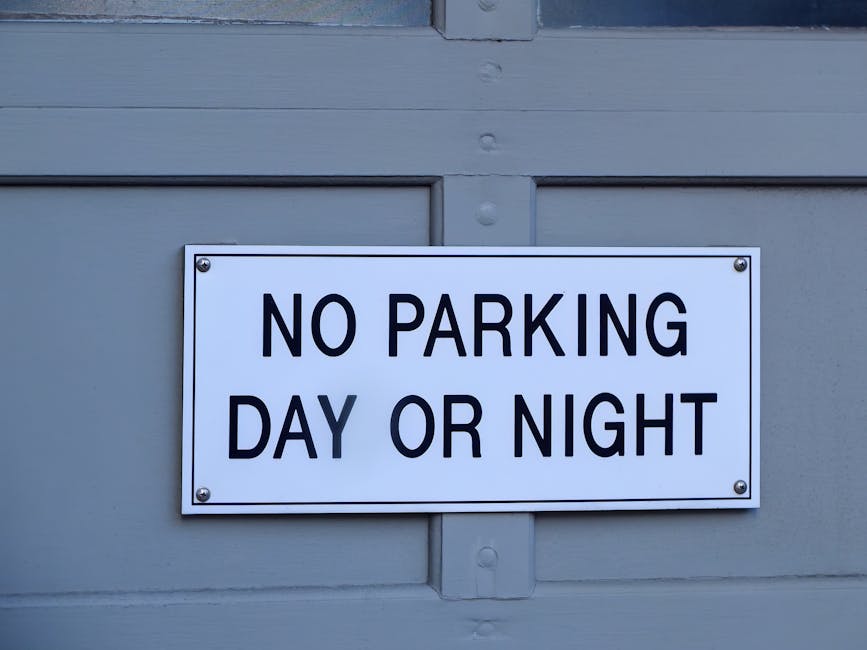
Coulsdon Village parking rules for removals vans and fines

If you are moving home, clearing a flat, or dropping off heavy furniture in Coulsdon Village, parking can become the awkward part of the day very quickly. A van that looks perfectly reasonable on a quiet street can still pick up a fine if it is left in the wrong place, for the wrong time, or in a bay that does not allow loading. That is why understanding Coulsdon Village parking rules for removals vans and fines matters before the first box is lifted.
This guide breaks the topic down in plain English: what usually causes problems, how parking restrictions affect removals vans, what to check before you arrive, and how to reduce the risk of penalties. It also covers practical planning tips, common mistakes, and a few real-world scenarios that will save you stress on moving day. Truth be told, a bit of preparation here can make the whole move feel far calmer.
Why Coulsdon Village parking rules and fines matter
Parking rules are not just a background detail. In a moving job, they can shape the entire schedule. A removals van needs space to stop, unload, and sometimes wait while someone fetches a key, opens a gate, or clears a hallway. In a busy village setting, that can be easier said than done.
The big issue is that fines often happen in the little gaps between intention and reality. You may mean to be there only 15 minutes, but if the van is stopped in a restricted bay, on double yellow lines during controlled hours, in a loading area without the right use, or blocking access, a penalty can follow. And once the clock starts against you, the move gets more expensive and more rushed.
For removals work, the cost is not only the fine itself. There is also the knock-on effect: delayed unloading, frustrated neighbours, extra walking distance with heavy items, and the very British joy of trying to carry a sofa while a driver keeps one eye on traffic and the other on the pavement. Nobody wants that.
It is also worth remembering that local streets around busy village centres can have a mix of restrictions: permit bays, timed limits, single yellow lines, disabled bays, loading-only areas, pedestrian zones, and private access points. A van that would be acceptable in one spot may be entirely unsuitable 30 metres away. That small difference matters more than most people think.
How Coulsdon Village parking rules and fines work in practice
Although the exact restrictions can vary from street to street, the overall logic is usually straightforward: if a van is parked or stopped somewhere it should not be, or for longer than allowed, there may be a penalty. The challenge is applying that logic to a real moving day, where people, furniture, and time pressure all collide.
Most removals-related parking mistakes fall into a few familiar buckets:
- Waiting in a restricted bay when the bay is not meant for loading, or when loading is only allowed for a limited period.
- Parking on yellow lines without being able to justify loading activity or outside permitted times.
- Stopping on zig-zag markings, crossings, or near junctions, which can create safety problems and trigger enforcement.
- Using resident-only or permit spaces without the correct permission.
- Blocking driveways, dropped kerbs, or access routes, even briefly, which can create complaints fast.
In moving terms, the crucial distinction is between parking and loading. Loading often has some tolerance if the vehicle is actively being used for moving goods and the activity is continuous and necessary. But that is not a free pass, and it should never be treated like one. If there is a wardens' presence, camera enforcement, or nearby residents keeping an eye out, the margin for error narrows very quickly.
Another practical point: a removals van is usually larger, slower to manoeuvre, and more noticeable than a car. So even if the driver is only stepping away to carry a wardrobe upstairs, the vehicle itself may still be seen as causing an obstruction. That is why planning the parking spot before arrival is so valuable.
Key benefits and practical advantages
Getting parking right does more than prevent fines. It makes the whole move cleaner, calmer, and usually quicker. A well-placed van means shorter carrying distances, fewer awkward turns, and less chance of damage to walls, doors, or the item itself.
Here are the main advantages:
- Lower risk of penalty charges and enforcement notices.
- Faster loading and unloading because items are moved over a shorter distance.
- Less stress on moving day, which is honestly worth a lot on its own.
- Reduced handling risk for heavy or awkward items such as beds, wardrobes, and white goods.
- Better neighbour relations, especially in tighter residential streets.
- Smoother coordination with the removals team, so no one is standing around wondering where the van is meant to go.
There is also a hidden benefit: good parking planning gives you flexibility. If the first choice is taken, you already have a second and third option in mind. That simple bit of preparation can be the difference between a controlled move and a frantic one.
If you are comparing service options, it can help to think beyond the vehicle itself. A smaller vehicle such as a man and van setup may be easier to position in a constrained street, while a larger removal truck hire arrangement may need more detailed access planning. The right choice depends on the property, the furniture, and the parking reality outside.
Who this is for and when it makes sense
This topic matters to far more people than first-time movers. It is useful for anyone organising a stop in or around Coulsdon Village where a van needs to load or unload legally and safely.
It is especially relevant if you are:
- moving house or flat
- relocating an office or shop unit
- collecting a large furniture item
- sending items into storage
- moving on a tight timetable, such as same-day or weekend work
- arranging access for a larger removals vehicle
Families often need this information because the move day is already full of distractions. Students need it because budgets are tight and a parking ticket can feel like a punch in the air. Business owners need it because even a short delay can disrupt staff, customers, or deliveries. Different situations, same headache.
It also makes sense if you are using a professional team. A good mover should think about access and parking as part of the job, not as an afterthought. Services such as home moves, house removals, flat removals, and office removals all benefit from the same basic discipline: know where the vehicle will stop, how long it can stay, and what backup plan exists if the first spot is unavailable.
Step-by-step guidance
If you want a cleaner moving day, use this sequence. It is simple, but it works.
- Check the street layout in advance. Look at where a van could physically stop without blocking access or turning traffic into a circus.
- Identify likely restriction types. Pay attention to yellow lines, permit bays, loading bays, dropped kerbs, and any signs about time limits.
- Work out the closest legal stop point. The ideal space is not always the nearest one. Sometimes the safest option is a little further away.
- Plan the carry route. Think about stairs, door widths, lifts, narrow hallways, and the number of trips required.
- Decide whether you need extra hands or a smaller vehicle. A compact van may be more suitable than a larger truck in tight village streets.
- Build in a buffer. Arrive earlier than you think you need to. Ten or fifteen minutes can be enough to solve a parking issue calmly.
- Keep the loading continuous where possible. If the van is meant to be in a loading situation, avoid long pauses with no activity.
- Have a backup plan. If the first bay is occupied, know the next best alternative before tempers rise.
A small real-world tip: on move day, the person who checks parking first is often the person who saves everyone else a headache. Not glamorous, but very effective.
If you are also juggling packing, make sure the access plan and the box plan match. A well-packed move is easier to load quickly, which makes parking exposure shorter. That is where services like packing and boxes and packing and unpacking services can quietly improve the whole day.
Expert tips for better results
In our experience, the best parking outcomes come from planning around the property, not just around the van. A good mover thinks about angle, distance, timing, and the people involved. Sounds obvious, but it is amazing how often it gets skipped.
Tip one: prefer a legal space that keeps the move flowing. A slightly longer carry from a legal spot is nearly always better than a shorter carry from a risky one. A fine is expensive; an extra 30 seconds of walking is not.
Tip two: do not assume the driver can "just wait there". If a spot is only suitable for short loading, that still requires discipline. If the unload is likely to take longer, build in a different solution.
Tip three: think about the time of day. Early mornings can be quieter, but school runs, commuter traffic, and local deliveries may still affect access. Midday sometimes looks easier and then turns busy fast. Timing matters more than people realise.
Tip four: use the right vehicle size. A smaller vehicle can sometimes reduce parking risk significantly. If the move is modest, a man with van or man with a van style service may be more practical than a larger lorry-style vehicle.
Tip five: protect your nerves with communication. If the removals team knows where to stop, where to wait, and who is meeting them at the property, they can work more efficiently. Less back-and-forth. Less guesswork. Less drama, frankly.
One small human thing that helps: keep the kettle on. People move better when they are not dehydrated, grumpy, or hunting for the front-door key with both hands full.
Common mistakes to avoid
Most fines happen because someone assumes the parking situation will be fine "for a minute". That is where the trouble starts. A short list of mistakes comes up again and again:
- Turning up without checking signs on the actual street rather than relying on memory or guesswork.
- Blocking a driveway because the move is urgent and there seems to be nowhere else to stop.
- Leaving the van unattended for too long while loading continues inside.
- Ignoring permit-only areas and hoping nobody notices.
- Assuming a loading bay allows unlimited time when it may not.
- Using a larger vehicle than the street can comfortably handle.
- Failing to brief the removals team on the access plan.
Another common error is forgetting that enforcement is often triggered by nuisance as much as by inconvenience. If the van forces pedestrians into the road or traps another vehicle, complaints can happen quickly. And once a complaint exists, the day tends to get noisier, not quieter.
There is also a financial mistake people miss: a fine is not the only cost. A poor parking choice can slow the move, create extra labour, and increase the risk of damage. In other words, a cheap shortcut can become a surprisingly expensive one.
Tools, resources and recommendations
You do not need fancy kit, but a few practical tools help a lot. For most moves, the useful resources are the ones that keep people organised and reduce time outside the property.
- Printed or saved copies of parking sign details so the driver and move coordinator can refer back quickly.
- Mobile phone access for the person meeting the van, especially if the building entrance is not obvious.
- Boxes and labels so items can be moved efficiently without extra sorting at the curb.
- Protective coverings and straps to make each trip quicker and safer.
- A sensible timetable that includes buffer time for parking, lift delays, or unexpected congestion.
If you are moving a smaller load, a flexible option like removal van hire may be enough. For larger jobs, a more structured option such as removal services may suit you better because the team can coordinate the vehicle, labour, and access plan together.
For moves that involve furniture disposal, reuse, or onward transport, related services such as furniture removals, furniture pick up, and storage can reduce pressure on the parking window by keeping the job simpler and more staged.
Law, compliance, standards and best practice
Parking enforcement in the UK is typically tied to local traffic rules, road markings, and signage. You should always treat the signs and conditions on the street as the first point of truth. If a sign says no waiting, time-limited loading only, resident permit only, or another restriction, that is the rule you need to work with.
For removals vans, the main best-practice principles are straightforward:
- Do not obstruct the highway or access routes unless a lawful arrangement is in place.
- Do not rely on assumptions about loading permissions; check the sign and the situation on the day.
- Keep loading activity genuine and continuous where loading exemption is being relied upon.
- Respect resident bays, disabled bays, and marked restrictions unless proper permission exists.
- Use reasonable care for safety, including the safety of pedestrians, neighbours, and the team carrying items.
From a business point of view, this is also part of basic duty of care. Good removals planning should protect property, people, and vehicles. That is why trustworthy operators tend to make parking and access part of the quote conversation rather than leaving it until the van arrives.
If you are comparing providers, look for companies that explain their process clearly and take planning seriously. Pages like about us, health and safety policy, insurance and safety, terms and conditions, and pricing and quotes help you judge how seriously a mover handles the practical side of the job.
Options, methods and comparison table
Not every move needs the same approach. A careful comparison can help you choose a vehicle and planning style that fits the street, the load, and the risk tolerance.
| Approach | Best for | Parking pressure | Main advantage | Main drawback |
|---|---|---|---|---|
| Small van / man and van | Light to medium moves, single flats, furniture collections | Lower | Easier to position in tighter streets | May need more trips for bigger jobs |
| Standard removal van | Typical home moves and mixed furniture loads | Moderate | Good balance of capacity and manoeuvrability | Still needs proper access planning |
| Larger moving truck | Heavier house moves, office moves, bigger inventories | Higher | Fewer trips, better for bulk | Harder to park legally in constrained streets |
| Split-load or staged move | Properties with awkward access or limited parking | Lower to moderate | Reduces time the vehicle needs to stay put | Needs more coordination and timing |
For many local moves, the staged approach is underappreciated. It can be a bit more planning upfront, yes, but it often cuts pressure on the parking side and keeps everyone calmer. Sometimes the elegant solution is simply not to cram everything into one visit.
Case study or real-world example
Picture a family moving from a first-floor flat near Coulsdon Village into a house a short drive away. The street outside the flat is narrow, with limited stopping space and a couple of marked restrictions that make casual parking a bad idea. The move includes boxes, a bed frame, a small dining table, and several awkward suitcases. Nothing outrageous, but enough to create a logjam if the van is badly placed.
Instead of arriving and hoping for the best, the mover checks the street before the team starts. They identify a legal stop point a short walk away, position the van there, and use a clear loading route. One person stays in contact with the driver while others begin carrying boxes. The family had expected the van to sit directly outside the door. It could not. But because the plan was realistic, the move stayed smooth.
Halfway through, a neighbour needs to get past with a pram. That would have been awkward if the van had been blocking the whole kerb. Instead, there is enough room to pass. No raised voices, no unnecessary drama, and no ticket tucked under a wiper blade at the end of the morning. A boring ending, in the best possible way.
That is really the lesson here: the best moves often look unremarkable while they are happening. They just feel organised.
Practical checklist
Use this before the van arrives. It is simple, but it covers the big risks.
- Check the exact street parking signs near the property.
- Confirm whether there are yellow lines, loading limits, permits, or bay restrictions.
- Decide the best legal stopping point for the van.
- Plan a backup space in case the first one is occupied.
- Make sure the removals team knows the access route.
- Prepare boxes, labels, and fragile items in advance.
- Keep keys, entry codes, and contact details ready.
- Allow extra time for parking, especially in the morning.
- Avoid leaving the van unattended for longer than necessary.
- Double-check that nothing is blocking driveways or pedestrian access.
Quick expert summary: the safest approach is usually the one that combines legal parking, a short carry route, and efficient loading. If one of those three is weak, the risk of fines, delays, or frustration goes up fast. Get all three working together and the day gets much easier.
Get a free quote today and see how much you can save.
Conclusion
Coulsdon Village parking rules for removals vans and fines are not exciting, but they are one of those details that can quietly decide whether a move feels smooth or stressful. The good news is that the solution is usually practical: check the signs, plan the vehicle position, keep loading efficient, and choose the right type of removals support for the space you actually have.
If you are moving soon, do not leave parking to chance. A little thinking upfront can save money, time, and a lot of unnecessary tension. And if the day gets busy, which it often does, having a sensible plan feels like a small miracle. Not dramatic. Just solid, reassuring, and worth doing properly.
Move carefully, keep it legal, and give yourself the easiest possible start to the day. That is the part people remember most when the last box is inside and the kettle is finally boiling.
Frequently Asked Questions
Can a removals van stop on yellow lines in Coulsdon Village?
Sometimes loading and unloading may be possible on yellow lines, but only if the situation genuinely fits the local rules and the activity is continuous. You should never assume it is allowed just because the stop is brief.
What is the safest way to avoid parking fines on moving day?
The safest approach is to check the signs in advance, choose a legal stopping point, keep loading efficient, and build in extra time. A small buffer can prevent rushed decisions, which is where fines often happen.
Do I need a bigger van or a smaller one for Coulsdon Village streets?
That depends on the street width, the type of parking available, and how much you are moving. Smaller vehicles are usually easier in tighter areas, while larger vehicles reduce the number of trips. It is a trade-off.
What happens if my removals van gets a parking ticket during the move?
The ticket may be enforceable depending on where and how the van was stopped. The practical problem is that even a valid moving plan can become more expensive and stressful if parking was not properly considered beforehand.
Can a removal company help with parking planning?
Yes, and a good one should. Parking and access planning is part of a professional removals job, especially in places where streets are tighter or enforcement is more likely.
Is loading considered the same as parking?
No, not exactly. Loading is usually treated differently, but it still has limits. The key issues are whether the vehicle is actively being used for loading, whether the activity is continuous, and whether the stop is lawful in context.
Should I reserve a parking space for the van?
Only if a lawful method exists and it is appropriate for the location. In many cases, the better approach is to plan a legal stopping point and have a backup option rather than relying on an informal reservation.
Are same-day removals more likely to get fines?
They can be, simply because there is less time to plan access and parking properly. That is one reason services like same day removals need careful coordination before the van arrives.
What should I do if the street is too tight for a large truck?
Choose a smaller vehicle, stage the move, or use a parking point a short distance away and carry items safely from there. If needed, splitting the load can be much easier than forcing a larger truck into a space that does not suit it.
Does student moving have special parking issues?
Yes, often it does. Student lets and shared houses can have limited curb space, narrow access, and busy changeover periods. That is why student removals usually benefit from a simple, efficient access plan.
How far in advance should I think about parking rules?
Ideally as soon as the move date is set. Even a quick check a few days ahead is better than discovering a restriction when the van is already outside and someone is carrying a mattress down the stairs.
What if I am also moving furniture into storage?
Then parking and timing matter even more, because the move may be split across more than one stop. Services such as storage can make that process easier by reducing the pressure to complete everything in one rush.
How do I know if I am being too cautious about parking?
If the alternative is a fine, blocked access, or a delayed move, cautious is usually the right call. A slightly longer carry is annoying for a moment; a penalty and a disrupted day are far worse.